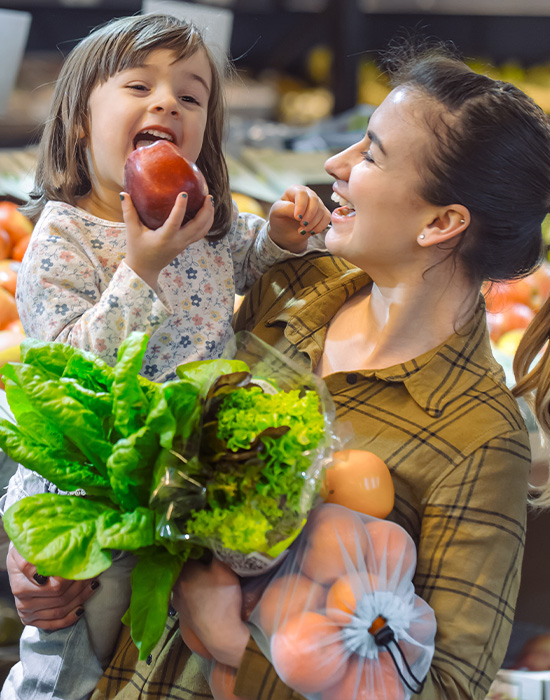

When asked who makes the household food decisions, some people may think of the 1950’s model of homemaking, where a stay-at-home wife did most of the shopping and food selection for a family. FMI’s 2019 U.S. Grocery Shopper Trends report indicates that is not how most families shop and eat today, but there do seem to be some differences of opinion within families about how the shopping responsibilities are shared.
<p>By: Karen Furman, Executive Assistant, Food Marketing Institute<br /> <img src="https://www.fmi.org/images/default-source/blog-images/dinner-table3.tmb-large-350-.jpg?sfvrsn=99cf556e_1" data-displaymode="Thumbnail" alt="Dinner Table" title="Dinner Table3" style="float: right; margin: 10px 10px 0px;" /></p> <p>The response to my family’s “what’s for dinner?” question is usually chicken.</p> <p>Chicken is a natural compromise for my family when deciding together what to have for dinner. Invariably, one family member would be happy with some steamed zucchini and another wants a steak. So, we meet in the middle with a chicken dish.</p> <p>When asked who makes the household food decisions, some people may think of the 1950’s model of homemaking, where a stay-at-home wife did most of the shopping and food selection for a family. FMI’s 2019 <a href="https://www.fmi.org/our-research/research-reports/u-s-grocery-shopper-trends"><em>U.S. Grocery Shopper Trends</em></a> report indicates that is not how most families shop and eat today, but there do seem to be some differences of opinion within families about how the shopping responsibilities are shared.</p> <h5>Who Influences Family Meals?</h5> <p>Of those surveyed, 61% of women say they have the most influence over what their family eats, while 41% of men think they are the primary influencers. However, when asked if men and women shared influence equally, 50% of men think they share influence, while only 36% of women believe they share responsibilities equally. Clearly there are some differences of opinion here.</p> <h5>Who’s Doing the Grocery Shopping?</h5> <p>There is evidence that how households shop for groceries is changing, and it’s a change that food retailers should pay attention to. <a href="https://www.fmi.org/our-research/research-reports/u-s-grocery-shopper-trends"><em>Trends</em></a> notes that 38% of shoppers in multi-person households that share shopping responsibilities shop together, and 55% of these shoppers stick together the whole time they are in the store. More than half say they split-up grocery shopping responsibilities in some way. When asked why they shared grocery shopping responsibilities, 31% say it is because they have different tastes in food and want to make sure their preferences are represented.</p> <h5>What Is the Important Lesson for Food Retailers? Personalization Matters.</h5> <p>More and more families come to the grocery store together, but each member comes with their own tastes, preferences and shopping styles. When consumers are asked to explain what would allow them to experience the most satisfaction from grocery shopping, these are the top three responses:</p> <ol> <li>Understands me personally.</li> <li>Gives me a shopping experience customized to my specific needs.</li> <li>Makes it easy for me to satisfy the eating needs and preferences of my household.</li> </ol> <p>Retailers that want to maintain or capture more market share must guarantee shoppers options that please everybody in their family while continuing to meet shoppers’ needs for product quality, selection, information and customer service.</p> <p>So, what does this mean for my family? Maybe we need to diversify our dinner options and start allowing for each person’s personal preference to take a turn at the dinner table.<br /> <br /> <a href="https://www.fmi.org/our-research/research-reports/u-s-grocery-shopper-trends" class="button-secondary">Download U.S Grocery Shopper Trends</a></p>
Powered by Börsen-Handelssysteme