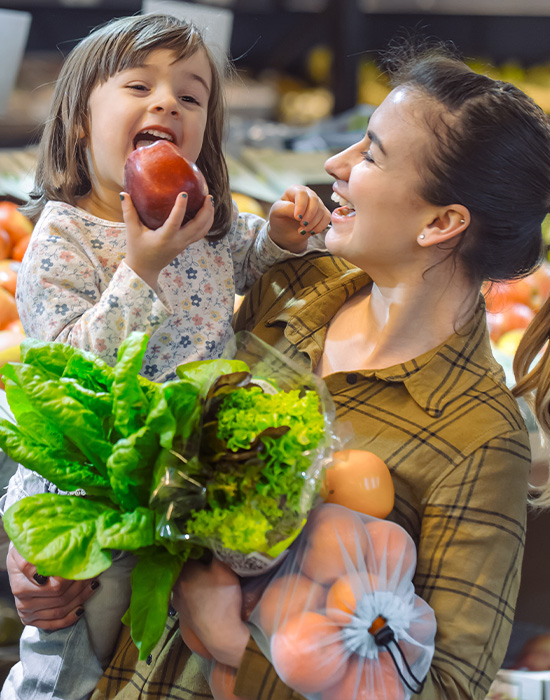
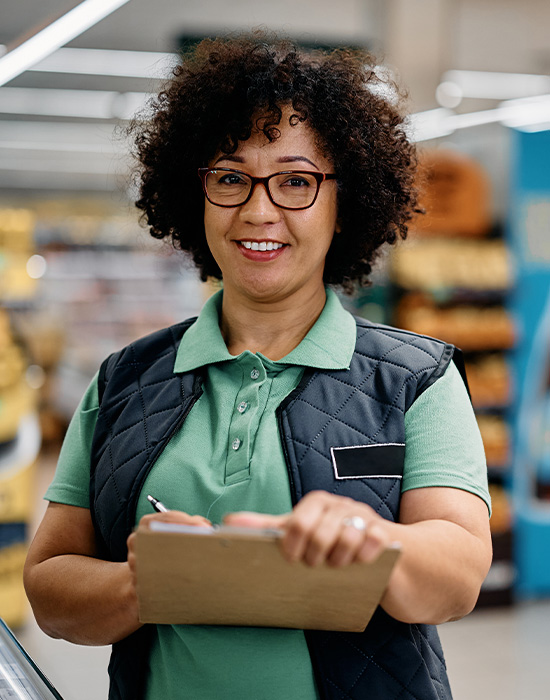

It has been well substantiated that shoppers today ask more questions about their food than ever before. They want to know its story and are in search of intersections – those places where the details of their food’s story resonate with some aspect of their story, whether it be a shared value, a familiar look, smell or taste, a recognizable point of origin or a fond memory.
<p>By David Fikes, Vice President, Communications and Consumer/Community Affairs, Food Marketing Institute<br /> <img src="https://www.fmi.org/images/default-source/photos-for-staff-use/center-aisle-carts-baskets/picture85.tmb-large-350-.jpg?sfvrsn=9a9b406e_2" data-displaymode="Thumbnail" alt="Picture85" title="Picture85" style="float: right; margin: 10px;" /></p> <p>I am from the south, which means I grew up thinking that a normal part of any introduction to a new person included questions like “where are you from” and “who are your people?” These inquiries transcended geographical and biographical data; they were the means the new acquaintance utilized to get your story and somehow get you connected to their story. They were in search of intersections; people or places that you held in common. </p> <p>It has been well substantiated that shoppers today ask more questions about their food than ever before. Some of that is due to the information-oriented nature of things these days, where facts and figures fly freely, and we are exposed to more data in a minute than we could assimilate in a month. But another more important aspect of consumer inquiries about how their food is produced, where it is grown, and what it contains is the shopper desire for a deeper connection to their food. They want to know its story and are in search of intersections – those places where the details of their food’s story resonate with some aspect of their story, whether it be a shared value, a familiar look, smell or taste, a recognizable point of origin or a fond memory. </p> <p>Two hundred years ago, everyone knew where and how their food was produced because they were likely involved in most aspects of its local production. This meant they were intimately aware of the hazards, costs and labor that accompanied food’s journey to the plate. There was no need to ask about their food’s story because they were an active part of its plot line. Today, most shoppers are three, four and five generations removed from the farm. The lack of a firsthand awareness of the details of their food necessitates inquiries. And those asking these questions are seeking connection by utilizing the tool they use for most all their connectivity these days – their electronic devices. If they cannot connect in person, they seek a virtual connection. The problem with virtual connections is they are only as thorough, as accurate, as helpful as the data that is accessible. </p> <p>Today’s food retailer must work hand-in-hand with the farmer, the producer and the supplier, to know the story behind the food they carry, then seek out the most advantageous means of sharing it. It is not enough to just carry the product, we must be able to introduce it to the customer with the necessary background for the shopper to make a connection. And if we can’t do that in person, we must help facilitate access to accurate information online so that the story the customer finds virtually is accurate and thorough. This is an opportunity for improvement for us, we must get better at telling the whole story of the food we sell. To do less than that exposes us and our trading partners to the possibility of uninformed, unrealistic or even outrageous consumer expectations, simply because the shopper didn’t get the whole story – including costs involved or the rationale behind a particular production practice. </p> Food retailing isn’t just about selling food, it’s also about being a food storyteller.
Powered by Versicherungsvergleich