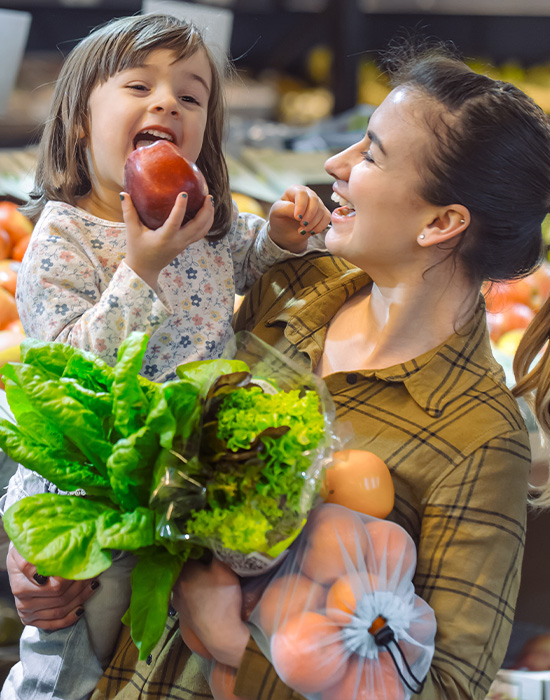
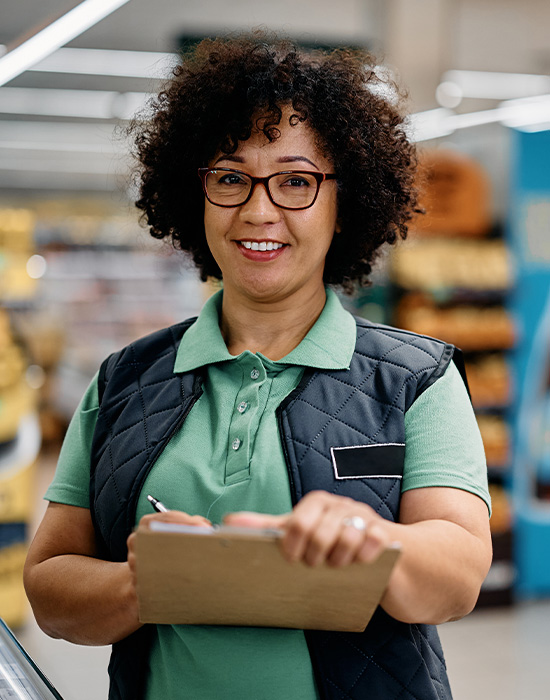

Shoppers are on a quest to become more deeply connected to the food experience, and the retailer is a vital part of facilitating that connection – not just by providing the product, but also by providing the surrounding story about the product.
By: Leslie G. Sarasin, President and CEO, Food Marketing Institute<br /> <br /> <img src="https://www.fmi.org/images/default-source/photos-for-staff-use/seafood/20161208-fmi-0576_ed-web.tmb-large-350-.jpg?sfvrsn=6bd76c6e_1" data-displaymode="Thumbnail" alt="20161208-FMI-0576_ed WEB" title="20161208-FMI-0576_ed WEB" style="float: right; margin-left: 10px;" /> <p>Some retailers identify the current consumer demand for personalized service as a pressing challenge of the future that is being fueled by high tech access to reams of data. Others in the food industry see it as a nostalgic return to the sacred roots of customer service, a bit of a time-travel return to the days prior to mass marketing and playing to the middle, back when shoppers were individually recognized by the market staff as individuals with identified tastes and preferences. The truth, as it often does, lies somewhere in between those two notions. </p> <p>In the current market, food retailers are expected to move just as many (if not more) products as they ever were in the height of mass marketing days. The difference is, today, customers expect retailers to help inform, curate and inspire them in a personal way. The expectation is that with all the data available, a retailer should be able to know what each customer likes and provide it in a way that moves him or her – all <span style="text-decoration: underline;">without</span> crossing that crucial threshold of invading privacy. So in many ways, the future supermarket shares characteristics of the small grocery stores of yore, except with a high-tech twist to its capacity to offer personal service. As one FMI member puts it, "If you haven’t embraced a commitment to private appeal (personal service), then you're at a competitive disadvantage."</p> <p>In finding those avenues to personal connection with customers, the role of transparency cannot be overlooked - and by transparency, I mean the open provision of information that is accurate and also elicits an emotional connection. In other words, transparency is not about sharing <span style="text-decoration: underline;">everything</span> because as writer Margaret Atwood points out, “nothing is more opaque than absolute transparency.” No, effective transparency is openness to what the shopper wants to know and providing it in an easily-accessible fashion. In the skeptical corners of our world, attempts to appear being transparent – as in providing too much information about something consumers don’t care about and executing it under the marketing guise of being transparent -- will be sniffed out and prove counter-productive. </p> <p>On the other hand, attempts to be open and honest about shared values and food manufacturing processes that shoppers don’t understand, and answering customers' questions about food sources will help provide the deeper connection with their food and food providers that shoppers crave. </p> <p>FMI’s research points to five areas where shoppers actively seek transparency. These are:</p> <ul> <li>Easy access to relevant information;</li> <li>Clear quality standards;</li> <li>Proactivity and responsibility regarding actions that affect the consumer (such as a recall);</li> <li>Fair treatment of employees; and</li> <li>Openness about business practices.</li> </ul> <p>As you can see, many of these elements – more deeply explored in the <em><a href="https://www.fmi.org/our-research/research-reports/u-s-grocery-shopper-trends">2017 U.S. Grocery Shopper Trends </a>– </em>point to consumers’ profound desire to know their retailer – what you believe,<em> </em>what you stand for, how you treat others and whether you are a responsible operator. Shoppers are on a quest to become more deeply connected to the food experience, and the retailer is a vital part of facilitating that connection – not just by providing the product, but also by providing the surrounding story about the product. As a result, some no longer refer to their shoppers as customers, but instead think of them as partners in the food enterprise. Participating in programs like National Family Meals Month and providing health and wellness information, nutritional guidance and food safety tips are all ways you can openly convey your values in a way that helps your customer/partners know you are truly engaged in this endeavor with them. If you'd like to learn more, I direct you to the <em><a href="https://www.fmi.org/our-research/research-reports/u-s-grocery-shopper-trends">2017 U.S. Grocery Shopper Trends </a></em>or to the recently archived Trends webinar exploring the <em><a href="https://www.fmi.org/events-education/webinars/webinar-recordings/view/webinar-recordings-public/2017/09/14/trends-with-a-view-the-promises-pains-and-pay-offs-of-transparency">Promises, Pains and Pay-offs of Transparency</a>.</em></p> <br /> <br />
Powered by Preisvergleich