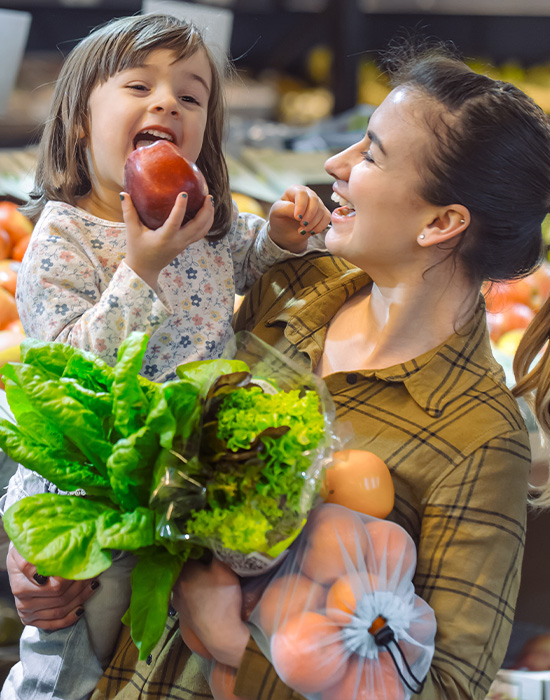
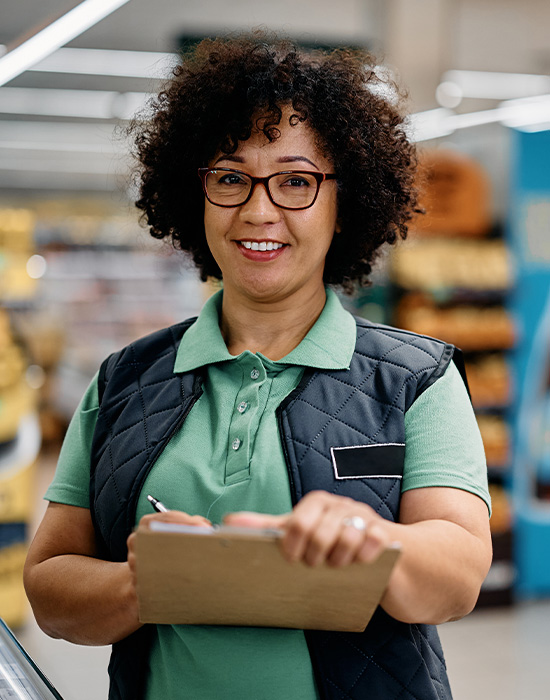

Today’s shoppers feel entitled to information access about the product they are considering and they assume their unique needs should be listened to and addressed.
By: Leslie G. Sarasin, CEO and President, Food Marketing Institute<br /> <br /> <img src="https://www.fmi.org/images/default-source/blog-images/20161208-fmi-0507r-web.tmb-large-350-.jpg?sfvrsn=9c43706e_1" data-displaymode="Thumbnail" alt="Transparency" title="Transparency" style="float: right; margin-bottom: 10px; margin-left: 10px;" /> <p>There are levels of relevancy to any truth. One level is the simple cognitive recognition of a fact. This is when you read or hear a statement and give assent to its legitimacy, acknowledging that the information you received is likely true. That very same truth reaches a far deeper relevancy when there is the sobering acknowledgement that the facts apply directly to you. For example, it is one thing to hear a doctor say, “Cancer must be taken seriously.” In this case, you’d likely agree that cancer is a serious threat to human health and you might elect to read up on the subject a bit, perhaps make a financial contribution to cancer research, and maybe even ask a friend or two about it. However, your response to this rather generic pronouncement would be limited and likely would not affect your normal routine very much. However, it is quite another circumstance to hear a doctor say, “<span style="text-decoration: underline;">Your</span> cancer must be taken seriously.” In this case, I’d be willing to bet that your research time would be much more intense, behavioral changes would increase, your schedule would be completely revamped as you did everything you could to seek proper treatment and the number of people you talked to about it would magnify. When the truth becomes personal, changes take place.</p> <p>For years now, we’ve been talking about how the digital age has contributed to consumer empowerment, often manifested as the rising shopper expectations regarding both transparency and personalization. Today’s shoppers feel entitled to information access about the product they are considering and they assume their unique needs should be listened to and addressed. No longer satisfied with a simple ‘buy it and try it' attitude, consumers seek a deeper involvement in the retail process. They want to be engaged and included in the experience. A friend of mine describes it this way, “I don’t want to just buy a dress, I want to have a say in the color, fabric and cut of it. If I’m spending my money, I want the dress to be for me.” I believe the same is true of food shoppers. They are looking for ways they can be engaged in the food chain and have a say in the products they would like to purchase. And I believe they will continue rattling the food chain until they get the products, the service, the convenience they want, provided in a safe, economic way in accordance with values they hold. </p> <p>Ask retailers today and they will tell you about consumer empowerment. It is a documented fact supported within countless pieces of consumer research, including the most recent version of FMI’s <em><a href="https://www.fmi.org/our-research/research-reports/u-s-grocery-shopper-trends"><strong>U.S. Grocery Shopper Trends</strong></a></em>, which focuses on the rising customer expectation of transparency. My contention is that the food industry needs to more quickly move this truth out of the realm of cognitive assent and have it more deeply embedded in the fabric of our beings. In other words, we must acknowledge that customer empowerment isn't a general truth, but rather a <span style="text-decoration: underline;">personal</span> truth that calls for us to deepen our research, change our routines, and rearrange our schedules. It will tax us and complicate our operations. It will disrupt our normal workflow, but I submit that relevant truths always do. </p> <p>Taking the truth of consumer empowerment both seriously and personally will force us to change our thinking such that we cease considering our shoppers as our customers and begin recognizing them as our partners in the retail enterprise. Shoppers want to be involved in the food they buy and we must make it easier for them to have that experience.</p>
Powered by Preisvergleich