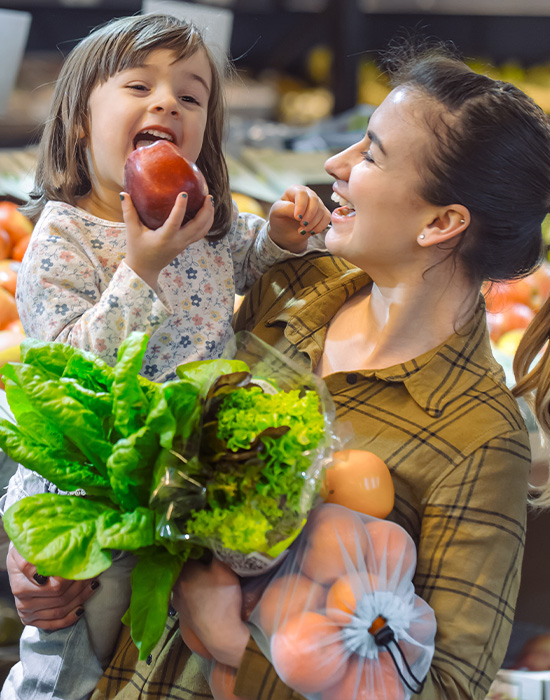

There is no denying the food retail industry continues to navigate an ever-changing marketplace. Shoppers are finding additional ways to be more efficient, find specialty products, and save money on everyday items. Tech-savvy shoppers are increasingly using digital tools for exploring, planning, creating and sharing food experiences. Food culture is changing as we know it. Consumers have to fill a broader set of household needs, and more than ever Americans are sharing responsibilities in the food shopping experience. Within this dynamic environment, here are three business questions retailers are asking in order to prepare for the evolving grocery landscape that will be addressed at the 2017 Midwinter Executive Conference.
<p>By: Carol Abel, Vice President of Education, Food Marketing Institute<br /> <br /> <img src="http://www.fmi.org/images/default-source/blog-images/2017-midwinter-executive-conference-keynote-sessionsb93f090324aa67249237ff0000c12749.tmb-large-350-.jpg?sfvrsn=1" data-displaymode="Thumbnail" alt="2017 Midwinter Executive Conference: Keynote Sessions" title="2017 Midwinter Executive Conference: Keynote Sessions" style="float: right; margin-left: 10px;" />There is no denying the food retail industry continues to navigate an ever-changing marketplace. Shoppers are finding additional ways to be more efficient, find specialty products, and save money on everyday items. Tech-savvy shoppers are increasingly using digital tools for exploring, planning, creating and sharing food experiences. Food culture is changing as we know it. Consumers have to fill a broader set of household needs, and more than ever Americans are sharing responsibilities in the food shopping experience. Within this dynamic environment, here are three business questions retailers are asking in order to prepare for the evolving grocery landscape that will be addressed at the <a href="http://www.fmi.org/midwinter-conference">2017 Midwinter Executive Conference</a>.</p> <p><strong>What’s the panoramic view of the food retail industry?</strong></p> <p>Every star in the food retail constellation of consumer, retailer, and manufacturer is changing, shifting its position and shining in a little different way. Consumer shopping patterns are changing with 85 percent of the population significantly involved in grocery shopping and six out ten food shoppers being part of a household co-shopping team, covering numerous venues. Consequently, the retailer star is pushed into a new alignment. Increased customer demand for convenience in product offering, checkout ease and assistance in selection is changing the way stores are physically set-up; increased consumer demand for nutrition, production and preparation information is changing the way stores are digitally set-up; and consolidations and mergers are changing the way companies are corporately set-up. As the gravitational pull of the retailer and consumer stars shift, it exerts reconfiguring forces on the manufacturer star regarding digital commerce, heightened transparency expectations and the age-old issue of moving product more efficiently and more economically shifts its relationships within the larger constellation. </p> <p>Join Leslie G. Sarasin, FMI President and CEO, as she pulls together a year’s worth of FMI research and examines research how the stars are aligning in some new ways during <a href="http://www.fmi.org/midwinter-conference/program/keynotes">Taking the Wide Angle: A Panoramic View of Food Retail Industry</a><em> </em>at the <a href="http://www.fmi.org/midwinter-conference">2017 Midwinter Executive Conference</a>.</p> <p><strong>How to connect with digitally engaged shoppers?</strong></p> <p>According to <a href="http://www.fmi.org/research-resources/u-s-grocery-shopper-trends/?utm_source=infographic&utm_medium=image&utm_campaign=grocerytrends"><em>Trends</em></a>, nearly half of shoppers are regularly looking for recipes online, as well as, store specials and digital coupons. In 2016, more grocery shoppers reported buying from online-only retailers. One in ten shoppers has purchased groceries through online channels in the past month, as reported by <em>Trends</em>. Shoppers are changing the ways they interact with stores while shopping. They’re using digital tools to research meals, but also to learn more about the products they are buying and consuming. Not only are shoppers changing the way they interact with stores, but the industry is beginning to observe other digital commerce enter the food retail industry, and therefore, contributing more to channel fragmentation.</p> <p>Learn the top ten trends in digitally enabled food shopping for both retailers and manufactures to consider in your business strategies <a href="http://www.fmi.org/midwinter-conference/program/keynotes"><em>The Age of Connected Commerce: Digitally Engaged Shoppers</em></a><em> </em>keynote presentation at the <a href="http://www.fmi.org/midwinter-conference">2017 Midwinter Executive Conference</a>.</p> <p><strong>What does the future of food look like?</strong></p> <p>If you think about it, children born this year will never know a world without Fitbits, Uber, drones, or even augmented reality games like Pokémon Go. Thanks to massive search engines like Google, information is retrieved by the touch of a button. As these children grow to become the next generation of grocery shoppers, how will stores connect with shoppers who grew up in the era of digital convenience. How will the next generation of shoppers think about food and food systems and how will food retailers respond? </p> <p>Explore how global shifts will change how you produce, sell and prepare, food during <a href="http://www.fmi.org/midwinter-conference/program/keynotes"><em>The Future of Food: Forces, Forecast and Outlook</em></a> with Kurt Salmon at the <a href="http://www.fmi.org/midwinter-conference">2017 Midwinter Executive Conference.</a></p> <p>To register for the 2017 Executive Midwinter Conference and learn more about the event, visit <a href="http://www.fmi.org/midwinter">www.fmi.org/midwinter</a>. </p> <div> </div>
Powered by Versicherungsvergleich